High Rise Construction in Texas
High Rise Construction
High‑Rise Construction Excellence: Progress Update on the Dallas Hospital 3rd‑Floor Renovation
Elevating Healthcare Through Smart, High‑Rise Construction
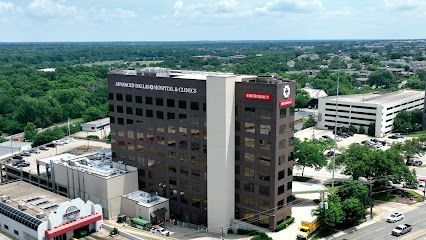
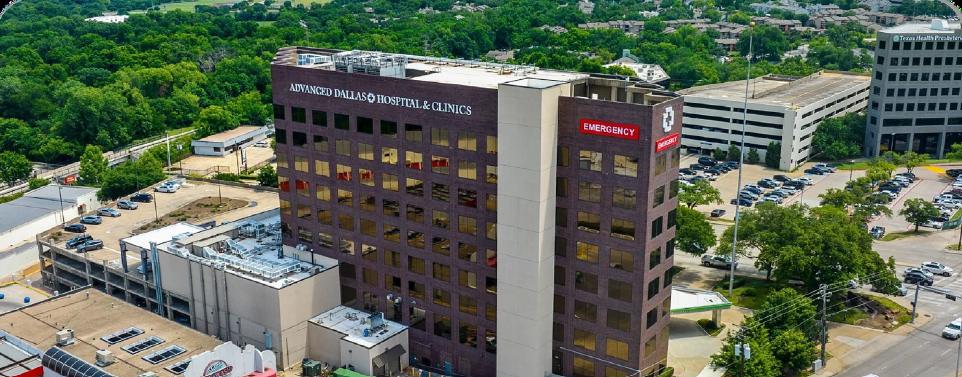
High‑rise construction brings a unique set of challenges and opportunities—especially when the work involves active healthcare facilities where precision, safety, and minimal disruption are essential. Our team is proud to be approaching a major milestone in one such project: the renovation of the 3rd floor at Dallas Hospital, a transformative upgrade spanning 16,500 square feet of carefully coordinated improvements.
As this project nears completion, we’re excited to share an inside look at the craft, planning, and purpose driving this renovation—and what these upgrades will mean for patients, staff, and the long‑term functionality of the hospital.
Why High‑Rise Healthcare Renovations Matter
Working within a high‑rise hospital environment requires a delicate balance of logistical strategy and technical execution. Unlike ground‑up builds, renovations inside operating hospitals involve:
- Maintaining air quality and infection control
- Preventing interruptions to medical operations
- Coordinating deliveries, equipment, and manpower within restricted access zones
- Managing noise, vibration, and safety hazards with extreme care
- Navigating existing utilities, structural constraints, and floor load limitations
Every phase of construction is influenced by patient needs, clinical routines, and hospital safety protocols. Our team takes pride in delivering exceptional work while respecting the sensitive nature of healthcare environments.
A Floor Built Around Accessibility, Recovery, and Real‑Life Functionality
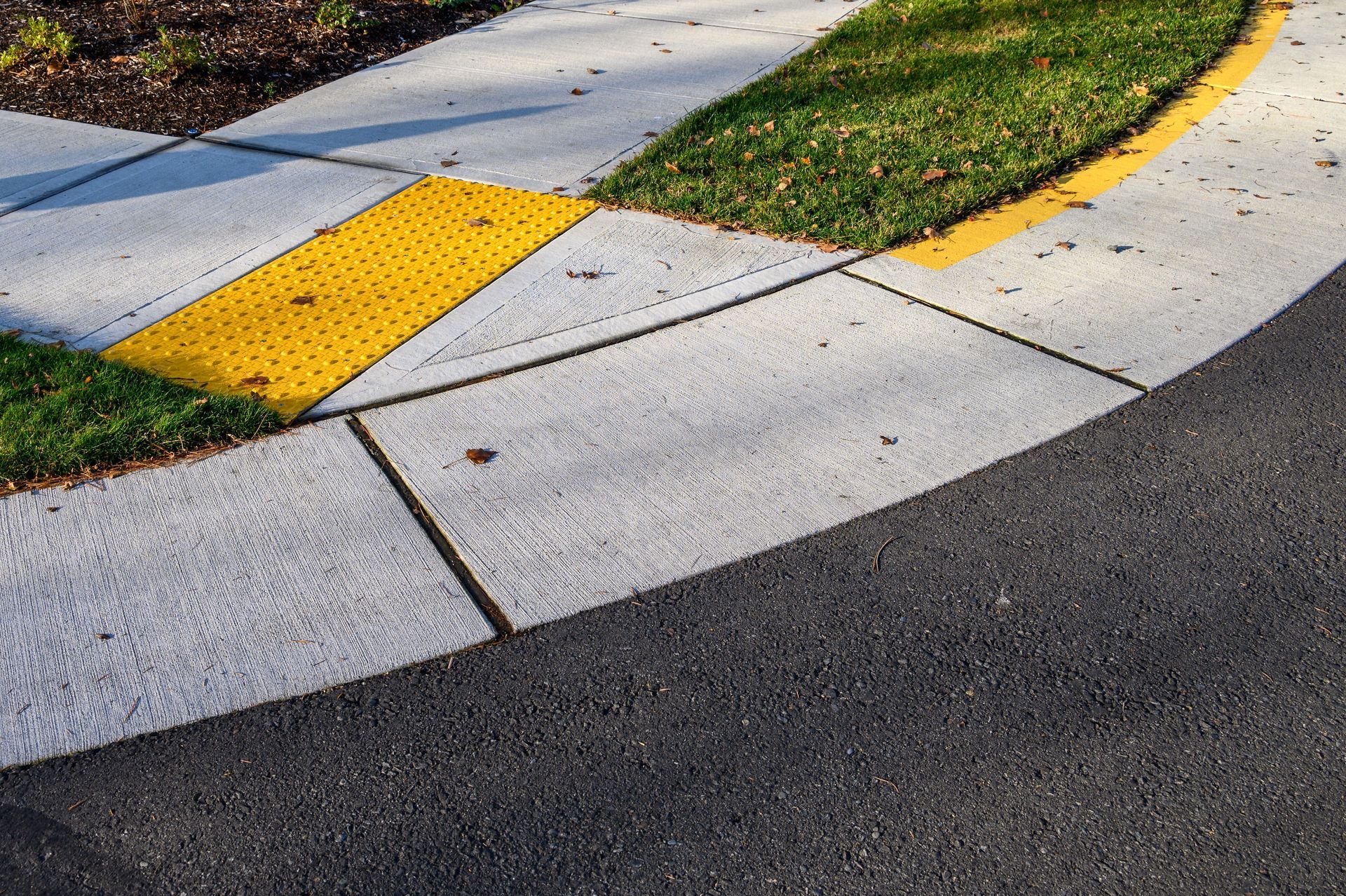
The 3rd‑floor renovation is centered on ADA resets—a full modernization designed to enhance accessibility and improve user experience for both patients and staff. This includes compliant circulation paths, upgraded fixtures, widened clearances, and thoughtfully planned patient‑focused areas.
26 Fully Renovated Patient Rooms
Each room has been refreshed with modern finishes, ADA‑compliant layouts, and supportive features that promote comfort, healing, and independence. Upgrades include:
- Safer bathroom and shower access
- Smarter space utilization tailored to mobility needs
- Durable surfaces designed for infection control
- Enhanced lighting and visibility for patient and staff safety
These updates not only improve patient experience but also help clinical staff work more efficiently.
Rehabilitation Spaces Designed for Real Progress
State‑of‑the‑Art Rehab Gym
The new rehab gym provides dedicated space for mobility training, strength conditioning, and physical therapy. The design supports:
- Specialized equipment layout
- Open floor areas for supervised movement exercises
- Durable, slip‑resistant flooring materials
- ADA‑compliant pathways for all rehabilitation activities
This space is built to help patients regain strength while remaining within close proximity to staff and treatment rooms.
Simulation Kitchen: Where Practical Skills Return
Recovery isn’t limited to physical therapy. Many patients must relearn daily life routines as part of their transition back to independence. The simulation kitchen is designed to mimic real‑life home environments, allowing patients to practice tasks such as:
- Cooking and meal preparation
- Reaching for cabinets and appliances
- Navigating safe kitchen workflows
The layout supports occupational therapy strategies that rebuild confidence through hands‑on experience.
Restoring Independence Through Daily‑Living Activities
In addition to the kitchen, the floor includes household‑style areas where patients can practice essential life tasks such as laundry, personal hygiene, and showering in safe, monitored settings.
Features include:
- ADA‑compliant shower stalls
- Accessible laundry and storage areas
- Realistic home‑like setups that prepare patients for discharge
These areas support a holistic approach to recovery, blending physical, functional, and emotional readiness.
Behind the Scenes: Construction Strategies That Set This Project Apart
Executing a renovation of this scale inside an active hospital requires specialized planning. Our team implemented:
Infection Control & Safety
- Negative air pressure zones
- Daily environmental monitoring
- Enclosed material transport routes
Quiet Construction Techniques
- Noise‑reducing equipment
- Phased scheduling to avoid peak hospital hours
Precision Coordination
- Detailed mapping of existing mechanical, electrical, and plumbing systems
- Pre‑fabricated components to reduce on‑site disruption
- Multi‑trade integration to deliver efficient progress
Each decision is made to ensure that hospital operations remain uninterrupted and patient safety stays at the forefront.
Near Completion — and Poised to Make an Impact
With the project nearing its final stages, the 3rd‑floor renovation is shaping up to become a model of modern, high‑rise healthcare construction. Once complete, Dallas Hospital will gain:
- More accessible environments for ADA compliance
- Purpose‑built rehabilitation spaces
- Better workflow for clinicians
- Stronger support for long‑term patient recovery
This project reflects our continued commitment to excellence, innovation, and supporting the future of patient care through thoughtful construction.