By Trevor Turnbow | February 6, 2026
February 6, 2026
Ensuring that your commercial or public property is accessible to everyone is not only a legal obligation but also a reflection of your commitment to inclusivity and safety. The Americans with Disabilities Act (ADA) sets clear standards for accessibility, covering everything from parking lots and entrances to restrooms and interior pathways. When it comes to construction and accessibility upgrades, choosing the right contractor is one of the most important decisions you can make, especially with spending on construction in the U.S. estimated at $2.152 trillion as of April 2025, according to Autodesk.
ADA compliance construction requires specialized knowledge, precise execution, and a deep understanding of current regulations. Mistakes can lead to costly corrections, failed inspections, or potential legal issues. This guide explores key considerations to help you pick the right ADA compliance contractor, ensuring your project is completed correctly and efficiently.
1. Understanding the Importance of ADA Compliance
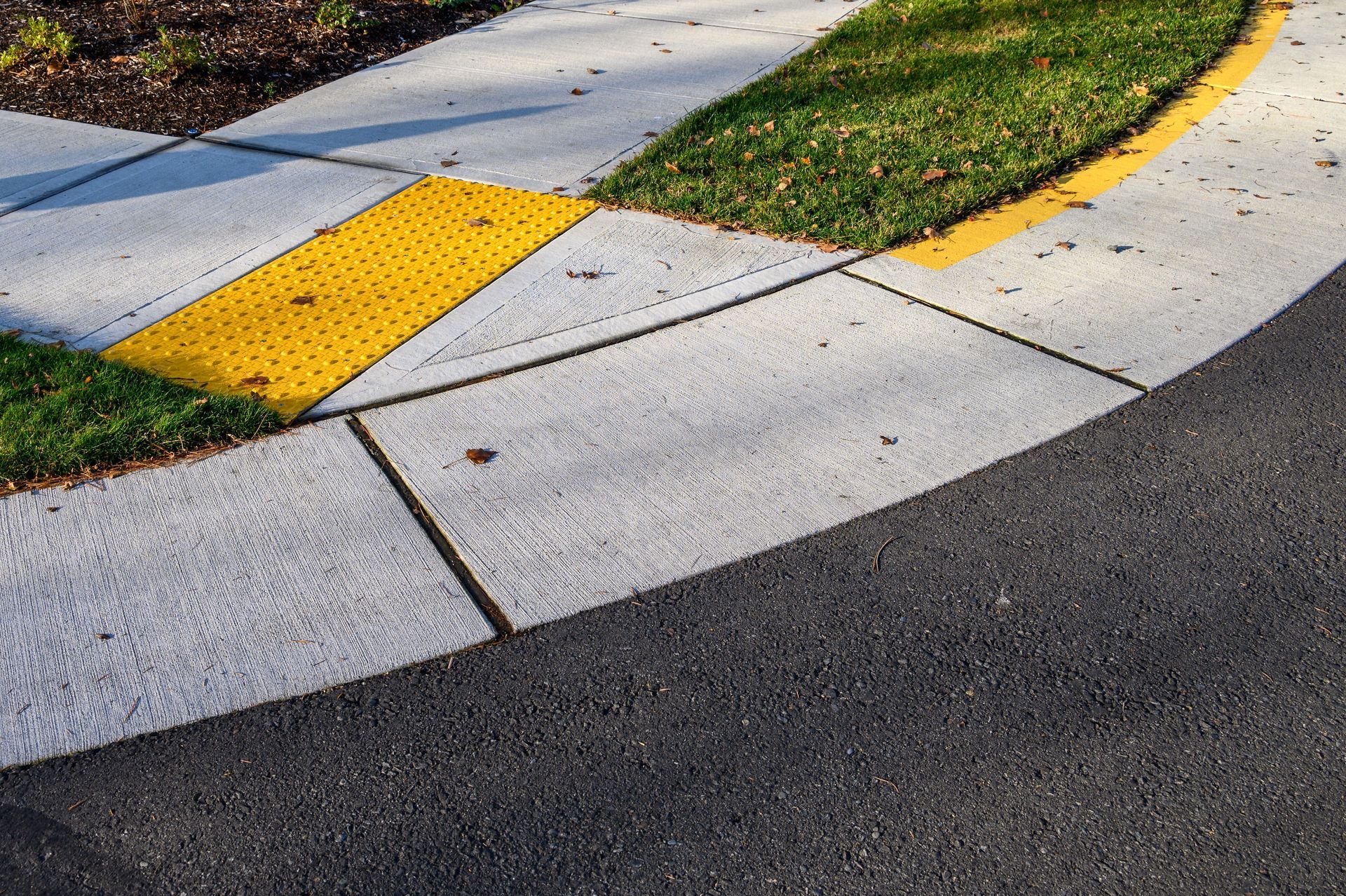
ADA compliance is designed to ensure equal access for individuals with disabilities, including mobility, visual, auditory, and cognitive impairments. These standards apply to many businesses, public facilities, and multi-family properties. Compliance is not optional for covered entities, and failure to meet requirements can result in fines, lawsuits, or damage to your reputation. A knowledgeable contractor understands that ADA compliance goes beyond basic construction. It requires careful attention to details such as slope ratios, handrail heights, door clearances, and tactile signage. Choosing a contractor who respects the importance of these standards helps protect both users and property owners.
2. Experience With ADA-Specific Construction Projects
Not all contractors are equally qualified to handle ADA compliance construction. Ask potential ADA compliance contractors about their experience with accessibility upgrades and ADA-related projects. This may include installing wheelchair ramps, modifying restrooms, adjusting parking layouts, or widening doorways. Contractors with ADA experience are more likely to anticipate challenges and apply solutions that meet regulations the first time. Their familiarity with inspections and compliance checks reduces the risk of errors that could delay project completion or require expensive revisions.
3. Knowledge of Current ADA Standards and Local Codes
ADA guidelines can evolve, and local building codes may introduce additional requirements. A qualified contractor stays up to date on the latest ADA standards and understands how they interact with local regulations. This knowledge is essential for ensuring full compliance. When evaluating contractors, ask how they stay informed about code updates and regulatory changes. A professional contractor should be able to explain relevant requirements clearly and demonstrate how they apply to your specific project.
4. Ability to Conduct Accessibility Assessments
A strong ADA compliance contractor often begins with a thorough accessibility assessment of your property. This evaluation identifies existing barriers and areas that require modification. The assessment helps prioritize upgrades and ensures nothing is overlooked. Contractors who offer this service provide added value by helping property owners understand their compliance status. A detailed assessment also supports accurate budgeting and realistic project timelines.
5. Clear and Detailed Project Proposals
Transparency is critical in ADA compliance construction. The right ADA compliance contractor will provide a detailed proposal outlining the scope of work, materials, timelines, and costs associated with accessibility upgrades. This documentation helps prevent misunderstandings and unexpected expenses. A clear proposal also demonstrates the contractor’s understanding of ADA requirements. Look for specificity in measurements, materials, and methods rather than vague descriptions.
6. Proven Track Record and Client References
Reputable contractors should be able to provide references from previous ADA compliance projects. These references offer insight into the ADA compliance contractor’s reliability, communication style, and quality of work. Whenever possible, review completed projects or speak directly with past clients. Feedback from property managers, business owners, or facility directors can help you gauge whether the contractor consistently meets compliance standards and deadlines.
7. Collaboration With Architects and Accessibility Consultants
ADA compliance projects often involve coordination between contractors, architects, and accessibility consultants. A contractor who collaborates effectively with other professionals is better equipped to deliver accurate and compliant results. This teamwork ensures that design plans translate correctly into construction. It also helps resolve potential issues early, reducing delays and minimizing the risk of non-compliance.
8. Quality Materials and Construction Practices
Durability and safety are essential in accessibility upgrades. The right ADA compliance contractor uses high-quality materials that meet ADA specifications and withstand heavy use. This includes slip-resistant surfaces, sturdy handrails, and properly graded ramps. Quality construction practices reduce maintenance needs and improve user safety. A contractor committed to quality helps ensure that accessibility features remain functional and compliant over time.
9. Understanding of Permits and Inspection Processes
ADA compliance construction often requires permits and inspections from local authorities. An experienced contractor understands these processes and can manage them efficiently. This includes scheduling inspections and addressing any issues identified by inspectors. Contractors who handle permits and inspections help streamline the project and reduce administrative burdens for property owners. Their familiarity with local officials can also speed up approvals.
10. Realistic Timelines and Minimal Disruption
Accessibility upgrades may need to be completed while a facility remains operational. The right ADA compliance contractor provides realistic timelines and works to minimize disruptions to daily activities. This may involve phased construction or off-hour work. Clear scheduling and proactive communication help maintain business continuity while ensuring the project progresses smoothly.
11. Commitment to Safety and Compliance During Construction
Safety is especially important during ADA compliance construction, as work often occurs in active public spaces. Contractors should follow strict safety protocols to protect workers, occupants, and visitors. An ADA compliance contractor who prioritizes safety demonstrates professionalism and reduces liability risks. This commitment extends to maintaining accessible routes and clear signage during construction.
12. Post-Construction Support and Documentation
After completing accessibility upgrades, the contractor should provide documentation confirming that the work meets ADA standards. This may include drawings, measurements, or compliance checklists. Post-construction support ensures that any remaining concerns are addressed promptly. Reliable contractors stand by their work and assist with final inspections or future compliance questions.
13. Balancing Compliance With Aesthetic Considerations
ADA compliance does not have to compromise a property’s appearance. Skilled contractors integrate accessibility features seamlessly into existing designs. This balance maintains visual appeal while meeting regulatory requirements. Thoughtful design and execution enhance both functionality and aesthetics, creating welcoming spaces for all users.
14. Long-Term Value of Hiring the Right ADA Contractor
Choosing the right ADA compliance contractor is an investment in long-term value. Properly executed upgrades reduce the risk of legal issues, improve user experience, and enhance property reputation. A qualified contractor delivers peace of mind, knowing your property meets accessibility standards and serves the needs of all visitors effectively.
15. Transparency in Pricing and Change Order Management
ADA compliance construction often involves precise measurements and specialized materials, making transparency in pricing especially important. A qualified contractor should clearly explain how costs are calculated and what is included in the original estimate. This clarity helps property owners understand where their investment is going and reduces the risk of unexpected expenses.
Choosing the right contractor for ADA compliance construction and accessibility upgrades requires careful evaluation of experience, knowledge, and professionalism. By asking the right questions and prioritizing expertise, property owners can achieve compliant, safe, and inclusive spaces. With the right partner, ADA compliance becomes a streamlined process that benefits everyone—creating environments that are accessible, welcoming, and built to last. Get in touch with our team at Turnbow Construction in Texas today.